Commercial Pest Control Programs in Indianapolis & Central Indiana

Customized, compliance-driven pest management programs built around prevention, monitoring, and documentation — not generic schedules.

Every facility has different pressure points: dock doors that never stop opening, sensitive production areas, strict sanitation standards, or audit expectations that leave no room for “good enough.”

That’s why Vet Guard Pest Solutions builds commercial pest control programs in Central Indiana designed around your environment and operational risk — not a one-size-fits-all treatment schedule. Our programs are rooted in Integrated Pest Management (IPM), long-term prevention, and reporting that supports real accountability.

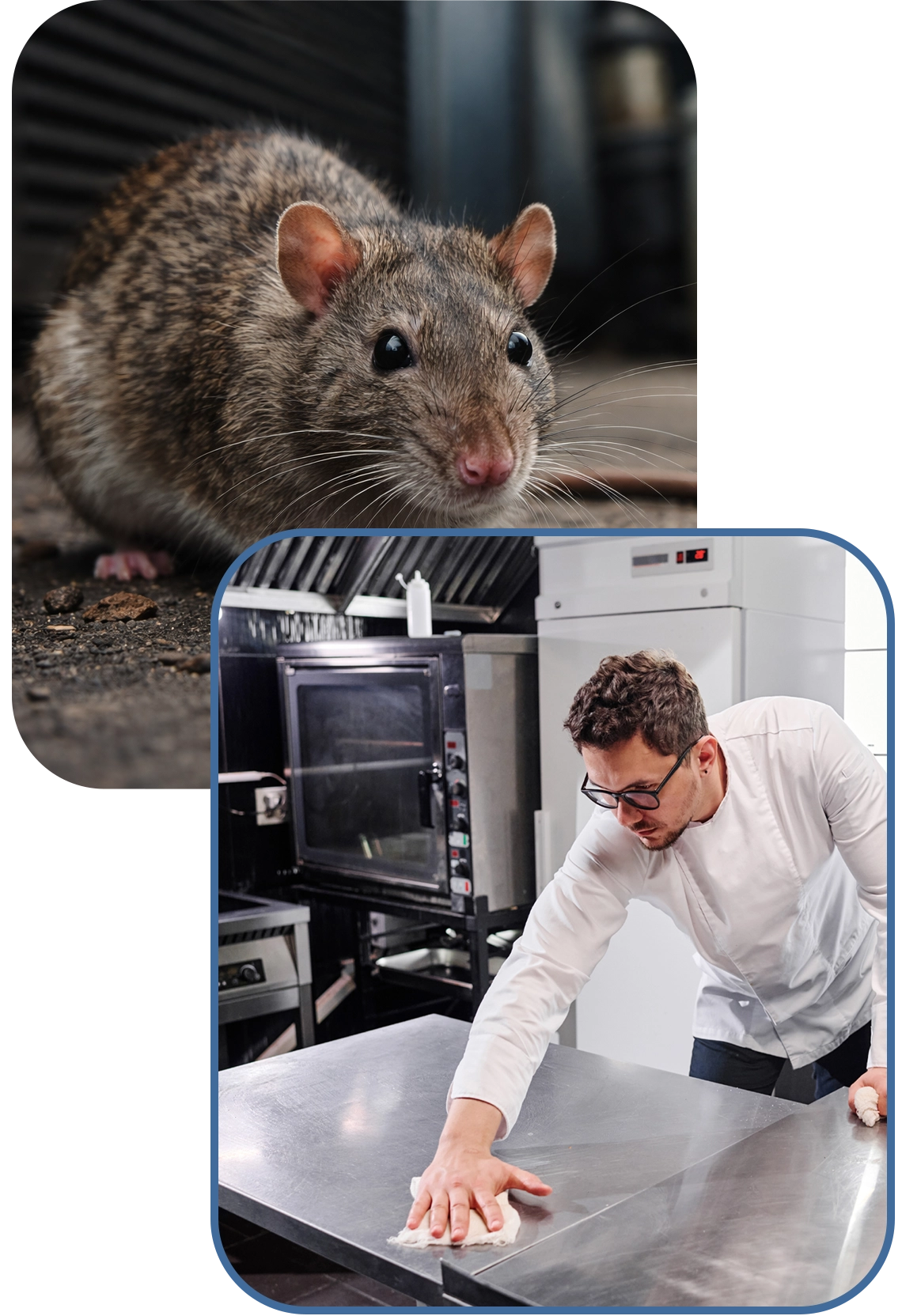
Common commercial pests we address include rodents, cockroaches, flies, ants, and stored product pests—supported by monitoring and prevention.

Programs Built to Hold Up Under Pressure

If your facility requires consistent prevention and clear documentation, your pest control program has to be more than a monthly stop.

We don’t believe in quick sprays or checking boxes. We build structured commercial pest control programs that reduce pest pressure over time — using monitoring, trend awareness, and targeted treatments based on what’s actually happening inside your facility.

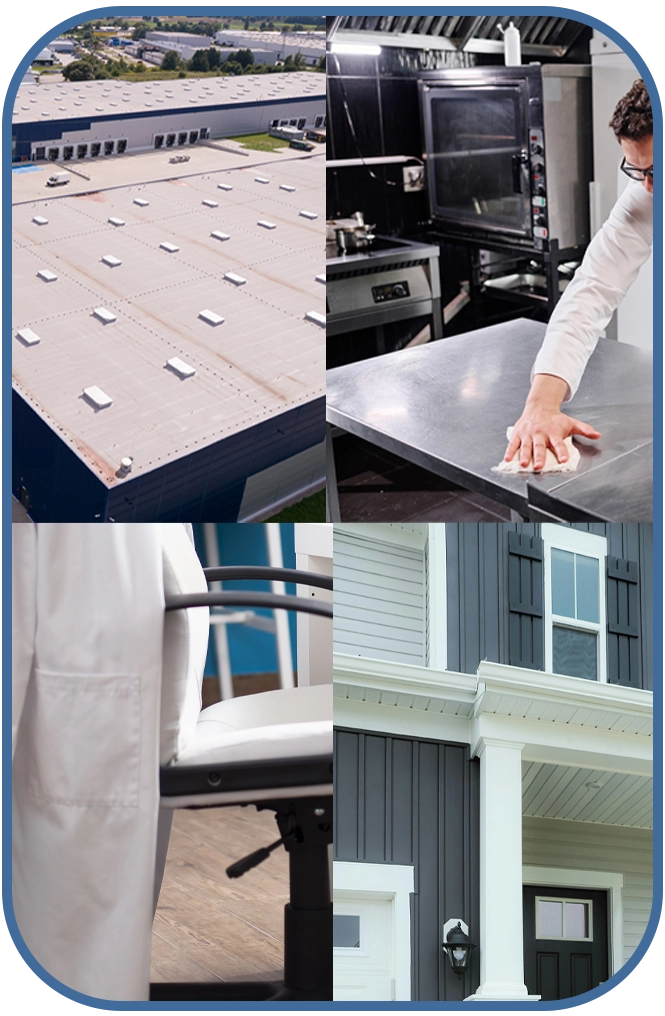
A food processing plant may require weekly monitoring, stored product pest control, and detailed reporting to stay audit-ready. A warehouse, on the other hand, may need a stronger focus on perimeter rodent management, dock-door pressure points, and structural exclusion to reduce entry and repeat activity.

This is what helps prevent recurring issues, protects compliance, and creates confidence at every level — from operators on the floor to compliance teams preparing for audits.

VET GUARD

  • Service frequency based on risk + industry standards
  • Monitoring-first prevention to reduce recurring activity
  • Audit-ready pest logs & reporting built in from day one
  • Root-cause focus: entry points, sanitation, moisture, workflow
  • Trend awareness + proactive adjustments as conditions change

The Other Guys

  • “Standard” schedule regardless of facility risk
  • Reactive treatments after the activity
  • Limited documentation (or inconsistent reporting)
  • Focus on pests — not the conditions causing them
  • Little trend tracking over time

Built for the Industries We Serve

Commercial pest control isn’t one-size-fits-all — and neither are the standards your facility is held to.

We build commercial pest management programs for regulated and high-pressure environments across Central Indiana — including food & beverage processing, restaurants and foodservice, healthcare facilities, schools, warehousing and logistics, hospitality, government buildings, and retail/commercial properties.

If you’re wondering whether we service your industry or what a program typically looks like in your environment, you can explore our industries page for a clearer breakdown.

What Our Commercial Pest Control Programs Can Include

Your program is tailored to your facility type, pest history, and regulatory requirements. Below are the most common components we build into commercial service plans.
We don’t believe in one-size-fits-all pest control — because pests don’t behave the same in every environment. We build systems that prevent recurrence and protect long-term outcomes.

Integrated Pest
Management (IPM)

IPM is a proactive, environmentally responsible approach that prioritizes prevention, monitoring, and targeted treatment — not over-application.

  • Facility risk assessments and pressure-point identification
  • Monitoring and data collection
  • Threshold-based treatment decisions
  • Structural and sanitation recommendations
  • Ongoing trend analysis and program adjustments

Rodent Monitoring & Exclusion Programs

Rodents create serious contamination and structural risk — and once they’re established, “just trapping” is rarely enough.

  • Exterior bait stations and perimeter defense
  • Interior monitoring devices
  • Electronic rodent monitoring (as needed)
  • Structural gap inspections
  • Exclusion recommendations to reduce entry
  • Ongoing monitoring reports and trend tracking

Stored Product
Pest Management

Food storage and processing environments require advanced protection against stored product pests like beetles and moths.

  • Monitoring traps and targeted placement strategies
  • Inspection protocols for vulnerable areas
  • Inventory rotation recommendations
  • Sanitation guidance to reduce attractants
  • Detailed reporting and trend tracking

Drain &
Sanitation Support

In foodservice and healthcare environments, sanitation isn’t optional — and drain activity can become a persistent source of pest pressure.

  • Drain treatments for fly control
  • Moisture control recommendations
  • Sanitation audits and prevention guidance
  • Structural vulnerability assessments (where pest pressure starts)

After-Hours & Sensitive
Account Service

Some facilities can’t shut down, can’t disrupt workflows, or require discreet scheduling.

  • Evening service options
  • Weekend scheduling
  • Sensitive-area protocols
  • Secure facility procedures

Customized
Service Schedules

Service frequency should be based on risk level, industry standards, and what your facility actually needs — not a default schedule.

  • Weekly pest control programs
  • Bi-weekly service
  • Monthly preventative service
  • Quarterly maintenance programs

Build a Commercial Pest Control Program Designed for Your Facility

Protect your operations with a prevention-focused, compliance-driven pest management partner — one that values structure, follow-through, and long-term results.